

Pediatric Glasgow Coma Scale (pGCS) Neurological Calculator
Instantly calculate the Pediatric Glasgow Coma Scale (pGCS) Score to assess the level of consciousness in infants and young children. The Pediatric GCS is a modified version of the standard Glasgow Coma Scale designed for neonates, infants, and children who are not developmentally able to respond verbally like adults.
See your pGCS score interpretation for neurological assessment.

This pGCS calculator is for reference purposes only and does not replace clinical judgment or professional medical decision-making.

Pediatric Glasgow Coma Scale (pGCS) Score System
The Pediatric Glasgow Coma Scale is specifically adapted to account for developmental differences in infants and young children.
Unlike the adult GCS, the verbal response criteria are modified to reflect:
- Crying patterns
- Consolability
- Age-appropriate interaction
- Vocal responses
The pGCS helps clinicians assess:
- Pediatric head injury
- Trauma
- Altered mental status
- Seizure-related changes
- Post-resuscitation status
- Neurological deterioration
How the pGCS Calculation Works
The Pediatric Glasgow Coma Scale (pGCS) is a standardized neurological assessment tool used to measure a child's level of consciousness in emergency, ICU, and trauma settings.
The pGCS score is calculated by evaluating three clinical components:
- Eye Opening Response (E)
- Verbal Response (V)
- Motor Response (M)
Each component is scored individually, and the total pGCS score is the sum of all three responses. The final score ranges from 3 (severe neurological impairment) to 15 (normal level of consciousness).
Pediatric GCS Formula
Maximum Score: 15
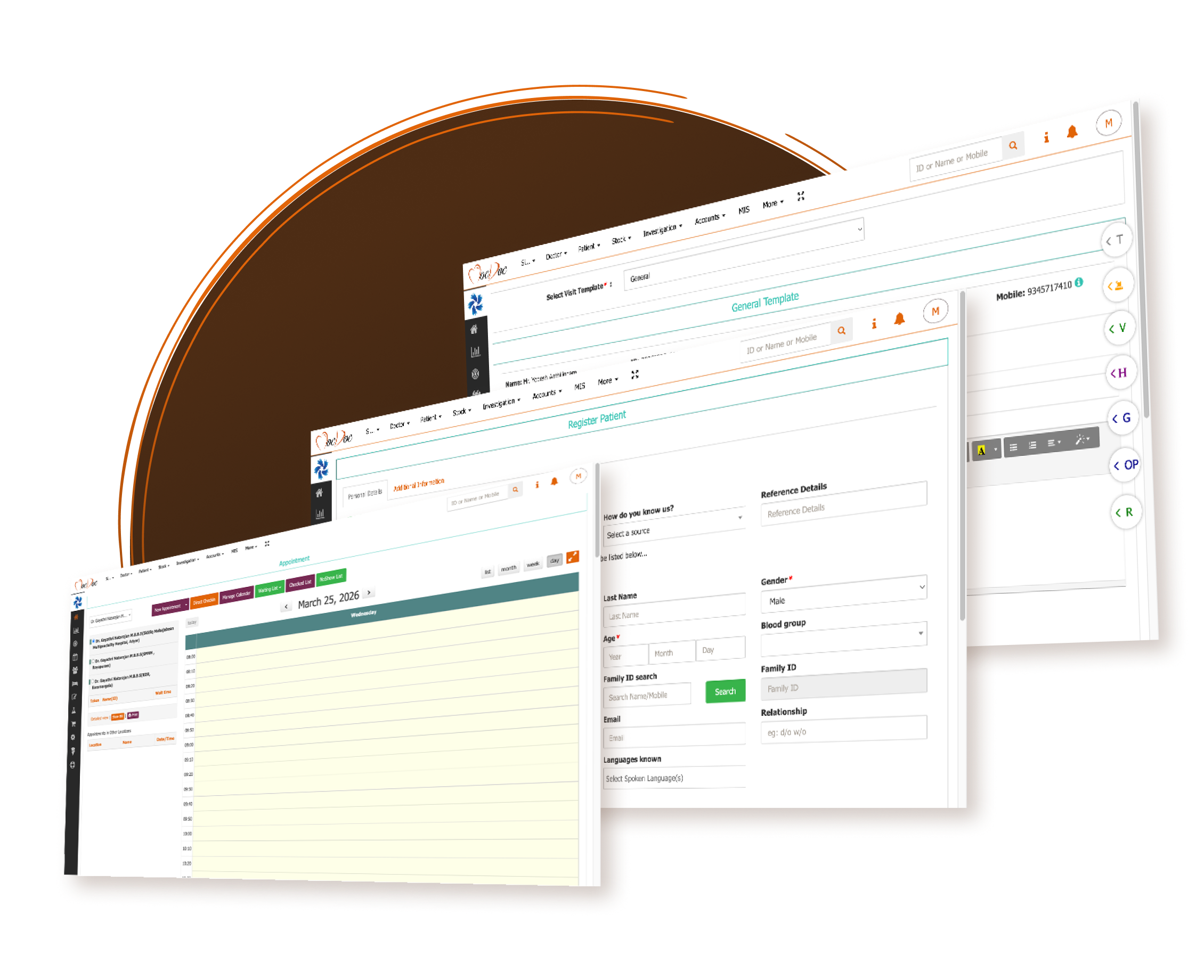
Automate Pediatric GCS with MocDoc HMS
With MocDoc Hospital Management Software:
Instant Calculation
pGCS scoring can be recorded directly in pediatric emergency or ICU modules.
Consistent Reporting
Serial neurological assessments can be tracked in EMR.
System-Wide Standardization
Pediatric documentation workflows can be standardized.
Zero-Error Math
Audit-ready records support compliance and quality care.
99.9%
Increase in Clinical Efficiency
More Tools
Try our other free calculators!
Frequently Asked Questions About Pediatric Glasgow Coma Scale (pGCS) Calculator
Infants and young children respond differently from adults, especially during verbal and behavioral neurological assessment.
The Pediatric Glasgow Coma Scale evaluates eye response, age-appropriate verbal behavior, and motor activity to generate a neurological assessment score.
pGCS enables rapid neurological assessment during pediatric emergencies, trauma, and PICU care, helping clinicians identify altered consciousness and prioritize intervention.
Yes. pGCS supports neurological assessment in children experiencing seizures, post-resuscitation recovery, or sudden neurological status changes.
The system maintains standardized scoring across emergency and PICU departments, reducing variability between clinicians.
pGCS Score = Eye Response + Verbal Response + Motor Response. The total score ranges from 3 to 15.
Yes. MocDoc HMS supports repeated pGCS assessments and integrates them directly into EMR workflows for centralized neurological records.
The calculator automatically generates the total pGCS score after clinical responses are entered, reducing calculation errors and improving assessment reliability.
A pGCS score of 13-15 indicates mild impairment, 9-12 moderate impairment, and 8 or below severe neurological dysfunction requiring urgent intervention.