

CHA₂DS₂-VASc Score Calculator for Stroke Risk Assessment
Instantly calculate the CHA₂DS₂-VASc Score to estimate the risk of stroke in patients with non-valvular atrial fibrillation (AF).
The CHA₂DS₂-VASc score is widely used in cardiology, internal medicine, and emergency departments to guide anticoagulation therapy decisions and evaluate a patient's risk of thromboembolic events.
See your CHA₂DS₂-VASc score interpretation for accurate Stroke Risk assessment.

This CHA₂DS₂-VASc calculator is a clinical screening tool intended for educational and reference purposes only. It does not replace professional medical judgment or comprehensive clinical evaluation.

Stroke Risk Assessment in Atrial Fibrillation
The CHA₂DS₂-VASc score is a clinical risk stratification tool used to estimate the annual risk of stroke in patients with atrial fibrillation.
It improves upon the earlier CHADS2 score by incorporating additional stroke risk factors such as vascular disease, age 65-74, and female sex.
This scoring system helps clinicians:
- Assess stroke risk in atrial fibrillation
- Guide anticoagulation therapy decisions
- Identify patients who may benefit from preventive treatment
- Standardize stroke risk evaluation in cardiology practice
The CHA₂DS₂-VASc score is recommended in major clinical guidelines for atrial fibrillation management.
How the CHA₂DS₂-VASc Calculation Works
This CHA₂DS₂-VASc calculator estimates stroke risk in patients with atrial fibrillation by assigning points to key cardiovascular risk factors.
The calculation requires:
- Congestive heart failure
- Hypertension
- Age category (65-74 or >=75 years)
- Diabetes mellitus
Each risk factor contributes 1 or 2 points depending on its clinical significance. Total Score Range: 0 - 9
Formula Used for CHA₂DS₂-VASc
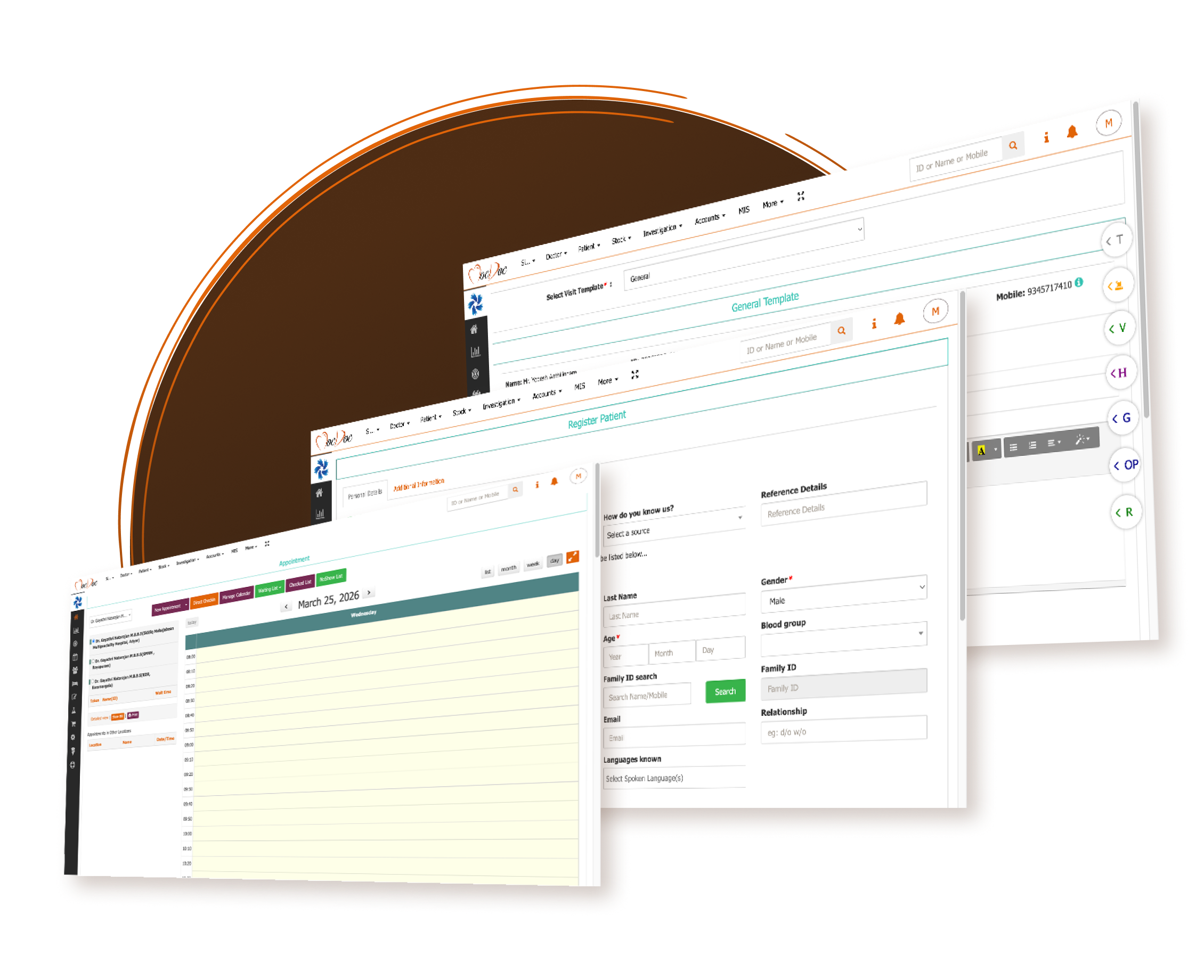
Automate Stroke Risk Assessment with MocDoc HMS
With MocDoc Hospital Management Software:
Instant Calculation
CHA₂DS₂-VASc scores can be automatically calculated during patient evaluation.
Consistent Reporting
Risk scores can be stored within the patient EMR.
System-Wide Standardization
Clinical decision support can assist anticoagulation therapy planning.
Zero-Error Math
Cardiology workflows can be standardized across departments.
99.9%
Increase in Clinical Efficiency
More Tools
Try our other free calculators!
Frequently Asked Questions About CHA₂DS₂-VASc Score Calculator
The calculator assigns weighted points based on age, sex, heart failure, hypertension, diabetes, prior stroke or TIA, and vascular disease history.
The score helps clinicians estimate stroke risk in atrial fibrillation patients and supports anticoagulation therapy decisions.
The calculator requires age category, sex, heart failure status, hypertension history, diabetes status, prior stroke or TIA history, and vascular disease history.
Yes. It supports rapid stroke risk assessment in emergency departments, cardiology units, and inpatient care settings.
MocDoc HMS automates CHA₂DS₂-VASc scoring using predefined clinical criteria to ensure consistent stroke risk assessment across departments.
Yes. Stroke risk scores are integrated directly into EMR workflows to support longitudinal cardiovascular monitoring and audit-ready documentation.
MocDoc HMS integrates CHA₂DS₂-VASc scoring into cardiology and emergency workflows, helping hospitals streamline stroke risk assessment and anticoagulation planning.
Congestive Heart Failure (1) + Hypertension (1) + Age ≥75 (2) + Diabetes (1) + Stroke/TIA (2) + Vascular Disease (1) + Age 65-74 (1) + Female Sex (1). Maximum score = 9.
A score of 0 in males or 1 in females generally indicates low stroke risk. A score of 2 or above usually supports anticoagulation therapy consideration.