Best LIMS Software for Small Clinical Labs in the USA | MocDoc
Posted On
2026021313:22:12
By
Mohammed Siddiq

Best LIMS Software for Small Clinical Labs in the USA | MocDoc
Running a small clinical lab in the United States is very different from running a large reference lab. Budgets are tighter. Teams are smaller. Everyone wears multiple hats. Yet the expectations around accuracy, turnaround time, and compliance are just as high.
This is why choosing the right LIMS matters even more for small labs. The wrong system can slow you down and drain resources. The right one can make daily work easier without adding complexity.
This article looks at what small clinical labs in the USA should realistically expect from a LIMS and why simpler, flexible systems often work better.
The challenges small labs deal with every day
Small labs usually face a familiar set of problems.
- Manual processes that started as temporary solutions become permanent.
- One or two people handle registration, reporting, and billing.
- Instrument data is sometimes entered manually to save costs.
- Compliance tasks pile up around inspection time.
Most small labs are not short on expertise. They are short on time and margin for error. A LIMS should reduce this pressure, not add another layer to manage.
Why enterprise LIMS often fail small labs
Many LIMS products are built for large hospital networks or reference labs. They come with complex configuration, long implementation timelines, and pricing models that assume high volume. For a small lab, this creates problems.
- Setup takes months.
- Training becomes difficult.
- Features go unused but still add cost.
- Simple changes require vendor intervention.
Small labs do not need everything. They need the right things.
What small labs should prioritize in a LIMS
Instead of focusing on feature lists, small labs should focus on outcomes. Ease of use comes first. Staff should be able to learn the system quickly without extensive training.
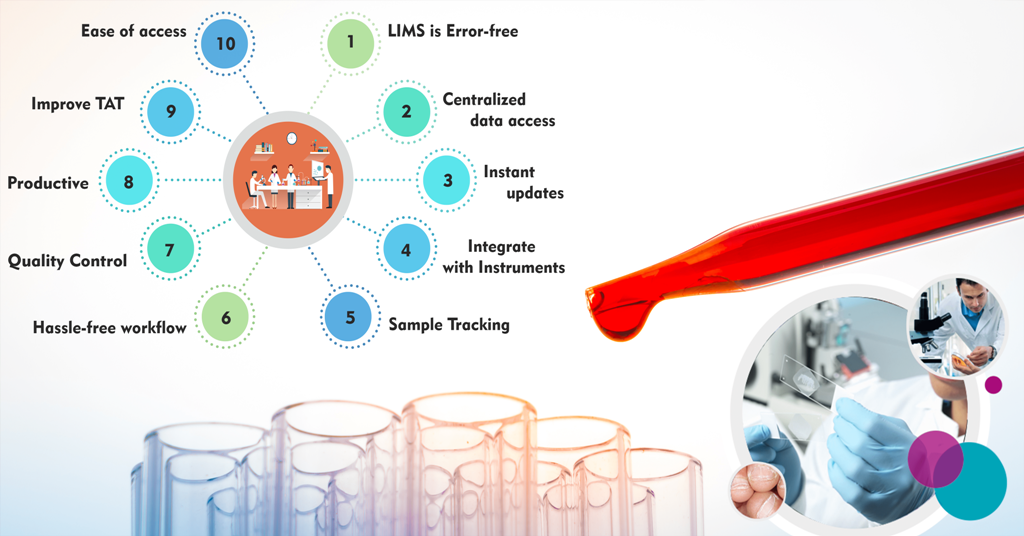
Sample tracking should be straightforward. Barcoding and status visibility reduce confusion and rework.
Instrument interfacing should be practical. Even partial automation reduces manual entry and errors.
Reporting should be flexible. Labs often deal with local physicians, clinics, and insurers with different needs.
Compliance should be built in. Audit logs, role based access, and traceability should not require manual effort.
Pricing should scale sensibly. Costs should align with lab size and growth plans.
Cloud LIMS make more sense for small labs
For many small labs, cloud based LIMS are easier to manage than on premise systems.
- There is no need to maintain servers.
- Updates happen automatically.
- Remote access becomes simpler.
- Disaster recovery is handled by the vendor.
This reduces the IT burden and allows lab owners to focus on operations rather than infrastructure.
How MocDoc fits small clinical labs
MocDoc LIMS is designed to work well for labs that need structure without overhead. The interface is simple and task focused. Sample registration, result entry, verification, and reporting follow a logical flow that does not overwhelm users.
Instrument interfacing is available where it adds value. Labs can automate result capture without committing to complex middleware setups from day one. Reporting templates can be configured once and reused. This saves time and ensures consistency.
Billing and reporting are integrated, which helps small teams avoid double work.
Compliance without complexity
Small labs often worry that compliance means paperwork and rigid workflows. In practice, good systems reduce compliance effort. MocDoc includes role based access so staff only see what they need. Audit trails track changes automatically. Result approvals are clearly recorded.
This helps labs stay inspection ready without extra administrative work.
Implementation and support matter more than features
For small labs, how a system is implemented matters more than what it claims to do. Long onboarding timelines disrupt operations. Poor support creates dependency and frustration.
MocDoc focuses on faster onboarding and practical training. Labs can go live without long downtime, and support teams are available to handle real world issues as they arise.
This is especially important when staff numbers are limited.
Cost considerations for small labs
Small labs must watch costs closely. A LIMS should not force labs to pay for features they do not use. Flexible pricing, modular adoption, and predictable subscription costs help labs plan better.
More importantly, the system should save time. Reduced manual entry, fewer errors, and faster reporting translate directly into operational savings.
Signs a LIMS is right for your lab
A LIMS is likely a good fit if:
- Staff adopt it quickly without resistance
- Daily tasks take less time after implementation
- Errors reduce instead of shifting elsewhere
- Inspections feel less stressful
- The system grows with your lab instead of forcing upgrades
These outcomes matter more than feature comparisons.
Final thoughts
Small clinical labs in the USA do not need oversized systems. They need reliable tools that fit their workflow, budget, and growth plans.
A well chosen LIMS simplifies operations, improves accuracy, and supports compliance without adding unnecessary burden.
MocDoc LIMS focuses on practical lab needs rather than enterprise complexity. For small labs looking to modernize without overengineering, it is a solution worth considering.